Life can change significantly after the loss of a spouse. For a widow, the period that follows may involve emotional adjustment as well as practical questions about financial planning, housing, healthcare, employment, savings, insurance, and long-term financial security
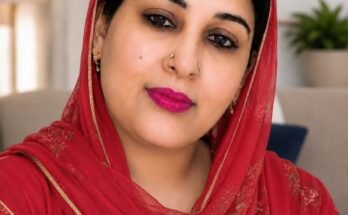
Nasreen Wajahat Ali, 48, from Lahore, Pakistan, represents a general profile of a widow entering an important stage of life. Beyond her name, age, marital status, and city, no additional personal circumstances should be assumed.
For women in Lahore and across Pakistan, managing life independently can involve learning about personal finance, creating a sustainable household budget, protecting important documents, exploring income opportunities, and planning for future expenses.
At 48, long-term financial planning can become especially important. Retirement planning, healthcare costs, emergency savings, and protection against unexpected expenses may all deserve attention.
Life After Losing a Spouse
The loss of a husband can affect many areas of everyday life. Household responsibilities that were previously shared may need to be reorganized.
Financial decisions may also become more important. A widow may need to understand household income, savings, property arrangements, insurance coverage, outstanding debts, and recurring expenses.
A practical first step is to organize financial information.
Important records may include:
- Bank account information
- Property documents
- Insurance policies
- Pension or employment records
- Tax documents
- Utility bills
- Loan information
- Marriage and family documentation
- Identification documents
- Relevant legal records
Keeping important documents organized can make future financial and legal decisions easier.
Financial Planning for Widows
Personal financial planning can provide a framework for managing income and expenses.
A simple monthly budget can begin by listing essential costs such as housing, food, electricity, transportation, healthcare, education, communications, and other household expenses.
After calculating essential spending, the next step is to identify available income and determine whether savings are possible.
Financial planning may involve several areas:
Emergency Savings
An emergency fund can help cover unexpected expenses such as medical treatment, urgent repairs, temporary loss of income, or family emergencies.
The appropriate amount depends on a person’s income, expenses, family responsibilities, and financial stability.
Keeping emergency savings in an accessible and appropriate financial account can provide a buffer against unexpected costs.
Debt Management
Outstanding loans or credit obligations should also be reviewed.
Understanding the remaining balance, interest rate, payment schedule, and total repayment cost can help with financial planning.
Anyone dealing with significant debt may benefit from speaking with a qualified financial professional who can assess their individual circumstances.
Retirement Planning at 48
At 48, retirement planning can become an important part of long-term financial management.
Retirement planning involves estimating future living expenses and determining how much money may be needed later in life.
Factors to consider can include:
- Expected retirement age
- Current savings
- Monthly expenses
- Healthcare costs
- Inflation
- Housing expenses
- Family responsibilities
- Potential pension income
- Investment risk
There is no single retirement strategy that works for everyone.
Before selecting an investment, people should understand the potential risks, fees, liquidity, and historical performance of the product. Past performance does not guarantee future results.
Understanding Insurance
Insurance can play an important role in financial protection.
Depending on individual circumstances, people may research health insurance, life insurance, property insurance, and other forms of financial protection.
For someone managing household finances independently, healthcare costs may be an especially important consideration.
Insurance policies can differ considerably. Before purchasing a policy, consumers should review:
- Premiums
- Coverage limits
- Deductibles
- Exclusions
- Waiting periods
- Claim procedures
- Renewal conditions
- Policy terms
A policy should be evaluated based on the coverage it provides rather than price alone.
Housing and Property Planning
Housing is often one of the largest household expenses.
For a person living in Lahore, housing decisions may involve rent, property ownership, maintenance, utilities, transportation, security, and proximity to family or healthcare facilities.
If renting a home, it can be useful to review the complete rental cost rather than considering rent alone.
Important points may include:
- Monthly rent
- Security deposit
- Maintenance charges
- Utility payments
- Lease duration
- Notice period
- Repair responsibilities
- Additional service charges
If property ownership is involved, keeping property records and related documents organized can be equally important.
Property and inheritance matters can involve complex legal questions. When disputes or significant assets are involved, professional legal advice may be appropriate.
Income Opportunities for Women in Lahore
Financial independence can become more achievable when a person has reliable income.
Lahore has employment and business opportunities across many industries, including education, healthcare, technology, retail, administration, finance, marketing, customer support, and digital services.
Depending on education and experience, possible income options include:
- Teaching
- Online tutoring
- Accounting
- Administrative work
- Customer service
- Digital marketing
- Content writing
- Graphic design
- E-commerce
- Social media management
- Freelancing
- Home-based business
The most appropriate option depends on qualifications, experience, available time, financial requirements, and personal interests.
Online Work and Freelancing
The growth of remote work has created additional opportunities for people who want flexible employment.
Skills such as writing, graphic design, website management, video editing, virtual assistance, digital marketing, and online tutoring can potentially be developed through training and practical experience.
However, online employment opportunities should be evaluated carefully.
People should be cautious about offers that:
- Guarantee unusually high income
- Require large upfront payments
- Ask for sensitive financial information
- Require payment before employment begins
- Promise guaranteed investment returns
- Pressure people to recruit others
Before paying for an online program or business opportunity, research the company and understand exactly what is being offered.
Starting a Small Business
Entrepreneurship is another possible route toward financial independence.
A small business can sometimes begin on a limited scale. Potential ideas may include:
- Home-based catering
- Clothing sales
- Online retail
- Handmade products
- Beauty services
- Tutoring
- Professional consulting
- Digital services
- Food products
- Reselling
A basic business plan can help determine whether an idea is financially realistic.
The plan should consider:
- Target customers
- Product or service
- Startup cost
- Monthly expenses
- Selling price
- Marketing expenses
- Competition
- Expected revenue
- Break-even point
Business income is never guaranteed, so financial risk should be considered before investing savings.
Healthcare and Medical Expenses
Healthcare planning can become increasingly important as people get older.
Unexpected medical expenses can affect household finances, which makes emergency savings and appropriate insurance coverage potentially valuable.
A practical healthcare plan can include keeping medical records organized, understanding available insurance coverage, identifying healthcare providers, and maintaining an emergency fund.
Insurance terms should always be reviewed carefully because coverage differs between providers and policies.
Legal and Financial Documents
Widows may have to manage documentation relating to family finances, property, inheritance, insurance, bank accounts, or other assets.
Important documents should be stored securely, with copies maintained where appropriate.
Depending on individual circumstances, relevant documentation may include:
- Identification documents
- Marriage certificate
- Death certificate
- Property documents
- Bank records
- Insurance policies
- Pension documents
- Tax records
- Loan documents
- Legal agreements
Inheritance, property ownership, succession, and family financial matters can be legally complex. Professional legal advice should be considered when significant assets or disputes are involved.
Personal Development at 48
Age does not prevent someone from learning new skills.
At 48, education can take many forms. Traditional education, vocational training, professional certifications, online courses, and practical workshops can all provide opportunities for development.
Useful areas may include:
Computer literacy, English communication, accounting, digital marketing, e-commerce, graphic design, online teaching, content creation, and business management.
Before paying for a course, consumers should compare the curriculum, instructor qualifications, total cost, certification, reviews, and practical employment value.
Social Life and Community Support
After the loss of a spouse, social relationships may change.
Support from trusted family members, friends, community organizations, and professional advisers can sometimes make practical challenges easier to manage.
However, personal boundaries remain important.
Financial information, passwords, banking details, and sensitive documents should not be shared casually, even with people who appear trustworthy.
A strong support network can be helpful while maintaining appropriate privacy and independence.
Online Safety and Financial Scams
Financial scams can target people who are looking for investment opportunities, employment, relationships, or financial assistance.
Common warning signs include requests for urgent money transfers, promises of guaranteed investment returns, suspicious links, requests for verification codes, and demands for sensitive banking information.
A legitimate financial institution should not require customers to disclose passwords or one-time security codes to unknown individuals.
Before transferring money or purchasing an investment product, verify the identity of the recipient and the legitimacy of the organization.
Considering Future Relationships
Some widowed people eventually consider marriage or another long-term relationship, while others prefer to remain single.
There is no universal timeline.
For someone considering remarriage, important discussions can include:
- Financial responsibilities
- Housing arrangements
- Family expectations
- Children and parenting
- Employment
- Savings
- Debt
- Long-term plans
- Personal boundaries
Financial compatibility can be particularly important.
Before entering a major financial commitment, both people may benefit from openly discussing income, expenses, debt, savings, property, and future goals.
Protecting Personal Information Online
Digital privacy is increasingly important.
People should avoid sharing sensitive information such as:
- Bank account passwords
- ATM PINs
- Credit card details
- One-time verification codes
- Government identification numbers
- Private financial documents
- Online banking credentials
Social media profiles should also be reviewed regularly to ensure that unnecessary personal information is not publicly available.
Using strong passwords and multi-factor authentication can add another layer of account security.
Building Long-Term Financial Security
Financial security is usually built gradually rather than through one decision.
A long-term strategy may involve:
Step 1: Track monthly income and expenses.
Step 2: Establish emergency savings.
Step 3: Review existing debts and financial obligations.
Step 4: Develop reliable income sources.
Step 5: Research appropriate insurance coverage.
Step 6: Consider retirement planning.
Step 7: Learn about investment risks before investing.
Step 8: Keep important legal and financial documents organized.
The appropriate strategy depends on personal circumstances and should not be based solely on generic online advice.
Frequently Asked Questions
What financial steps can a widow take after losing her spouse?
A useful starting point is to organize financial documents, calculate monthly expenses, identify available income, review debts and insurance, and establish an emergency savings plan.
Is retirement planning important at age 48?
Retirement planning can be relevant at any adult age. At 48, reviewing current savings, expected expenses, healthcare costs, income sources, and future financial needs may be particularly useful.
What are possible income opportunities for women in Lahore?
Depending on qualifications and experience, options can include teaching, administration, accounting, healthcare, digital marketing, freelancing, e-commerce, online tutoring, and small business.
What should someone check before buying insurance?
Consumers should review premiums, coverage, exclusions, deductibles, waiting periods, claim procedures, renewal conditions, and other policy terms.
Can a widow start an online business?
Yes, online businesses can include e-commerce, digital services, online education, consulting, content creation, and other services. However, income is not guaranteed, and startup costs and business risks should be considered carefully.
Should someone invest all of their savings?
Investment decisions depend on individual circumstances, financial goals, risk tolerance, liquidity requirements, and other factors. Concentrating all savings in one investment can create significant risk, so professional advice may be appropriate for substantial financial decisions.
Final Thoughts
Nasreen Wajahat Ali, 48, widow from Lahore, represents a profile that can be discussed in the broader context of financial independence, personal planning, and life after the loss of a spouse.
Her name, age, marital status, and city do not provide enough information to describe her personal experiences, financial position, family circumstances, or future plans, so those details should not be assumed.
For women in similar circumstances, practical priorities may include financial planning, emergency savings, healthcare preparation, retirement planning, career development, housing decisions, legal documentation, and online safety.
A secure future is generally built through informed decisions made over time. Learning about personal finance, insurance, retirement planning, employment opportunities, business management, and financial security can help people better understand the choices available to them.
The next chapter of life can be approached step by step, with careful planning and decisions based on reliable information and individual circumstances.
Nasreen Wajahat Ali, 48, Widow from Lahore: Building a Secure New Chapter
Life can change significantly after the loss of a spouse. For a widow, the period that follows may involve emotional adjustment as well as practical questions about financial planning, housing, healthcare, employment, savings, insurance, and long-term financial security.
Nasreen Wajahat Ali, 48, from Lahore, Pakistan, represents a general profile of a widow entering an important stage of life. Beyond her name, age, marital status, and city, no additional personal circumstances should be assumed.
For women in Lahore and across Pakistan, managing life independently can involve learning about personal finance, creating a sustainable household budget, protecting important documents, exploring income opportunities, and planning for future expenses.
At 48, long-term financial planning can become especially important. Retirement planning, healthcare costs, emergency savings, and protection against unexpected expenses may all deserve attention.
Life After Losing a Spouse
The loss of a husband can affect many areas of everyday life. Household responsibilities that were previously shared may need to be reorganized.
Financial decisions may also become more important. A widow may need to understand household income, savings, property arrangements, insurance coverage, outstanding debts, and recurring expenses.
A practical first step is to organize financial information.
Important records may include:
- Bank account information
- Property documents
- Insurance policies
- Pension or employment records
- Tax documents
- Utility bills
- Loan information
- Marriage and family documentation
- Identification documents
- Relevant legal records
Keeping important documents organized can make future financial and legal decisions easier.
Financial Planning for Widows
Personal financial planning can provide a framework for managing income and expenses.
A simple monthly budget can begin by listing essential costs such as housing, food, electricity, transportation, healthcare, education, communications, and other household expenses.
After calculating essential spending, the next step is to identify available income and determine whether savings are possible.
Financial planning may involve several areas:
Emergency Savings
An emergency fund can help cover unexpected expenses such as medical treatment, urgent repairs, temporary loss of income, or family emergencies.
The appropriate amount depends on a person’s income, expenses, family responsibilities, and financial stability.
Keeping emergency savings in an accessible and appropriate financial account can provide a buffer against unexpected costs.
Debt Management
Outstanding loans or credit obligations should also be reviewed.
Understanding the remaining balance, interest rate, payment schedule, and total repayment cost can help with financial planning.
Anyone dealing with significant debt may benefit from speaking with a qualified financial professional who can assess their individual circumstances.
Retirement Planning at 48
At 48, retirement planning can become an important part of long-term financial management.
Retirement planning involves estimating future living expenses and determining how much money may be needed later in life.
Factors to consider can include:
- Expected retirement age
- Current savings
- Monthly expenses
- Healthcare costs
- Inflation
- Housing expenses
- Family responsibilities
- Potential pension income
- Investment risk
There is no single retirement strategy that works for everyone.
Before selecting an investment, people should understand the potential risks, fees, liquidity, and historical performance of the product. Past performance does not guarantee future results.
Understanding Insurance
Insurance can play an important role in financial protection.
Depending on individual circumstances, people may research health insurance, life insurance, property insurance, and other forms of financial protection.
For someone managing household finances independently, healthcare costs may be an especially important consideration.
Insurance policies can differ considerably. Before purchasing a policy, consumers should review:
- Premiums
- Coverage limits
- Deductibles
- Exclusions
- Waiting periods
- Claim procedures
- Renewal conditions
- Policy terms
A policy should be evaluated based on the coverage it provides rather than price alone.
Housing and Property Planning
Housing is often one of the largest household expenses.
For a person living in Lahore, housing decisions may involve rent, property ownership, maintenance, utilities, transportation, security, and proximity to family or healthcare facilities.
If renting a home, it can be useful to review the complete rental cost rather than considering rent alone.
Important points may include:
- Monthly rent
- Security deposit
- Maintenance charges
- Utility payments
- Lease duration
- Notice period
- Repair responsibilities
- Additional service charges
If property ownership is involved, keeping property records and related documents organized can be equally important.
Property and inheritance matters can involve complex legal questions. When disputes or significant assets are involved, professional legal advice may be appropriate.
Income Opportunities for Women in Lahore
Financial independence can become more achievable when a person has reliable income.
Lahore has employment and business opportunities across many industries, including education, healthcare, technology, retail, administration, finance, marketing, customer support, and digital services.
Depending on education and experience, possible income options include:
- Teaching
- Online tutoring
- Accounting
- Administrative work
- Customer service
- Digital marketing
- Content writing
- Graphic design
- E-commerce
- Social media management
- Freelancing
- Home-based business
The most appropriate option depends on qualifications, experience, available time, financial requirements, and personal interests.
Online Work and Freelancing
The growth of remote work has created additional opportunities for people who want flexible employment.
Skills such as writing, graphic design, website management, video editing, virtual assistance, digital marketing, and online tutoring can potentially be developed through training and practical experience.
However, online employment opportunities should be evaluated carefully.
People should be cautious about offers that:
- Guarantee unusually high income
- Require large upfront payments
- Ask for sensitive financial information
- Require payment before employment begins
- Promise guaranteed investment returns
- Pressure people to recruit others
Before paying for an online program or business opportunity, research the company and understand exactly what is being offered.
Starting a Small Business
Entrepreneurship is another possible route toward financial independence.
A small business can sometimes begin on a limited scale. Potential ideas may include:
- Home-based catering
- Clothing sales
- Online retail
- Handmade products
- Beauty services
- Tutoring
- Professional consulting
- Digital services
- Food products
- Reselling
A basic business plan can help determine whether an idea is financially realistic.
The plan should consider:
- Target customers
- Product or service
- Startup cost
- Monthly expenses
- Selling price
- Marketing expenses
- Competition
- Expected revenue
- Break-even point
Business income is never guaranteed, so financial risk should be considered before investing savings.
Healthcare and Medical Expenses
Healthcare planning can become increasingly important as people get older.
Unexpected medical expenses can affect household finances, which makes emergency savings and appropriate insurance coverage potentially valuable.
A practical healthcare plan can include keeping medical records organized, understanding available insurance coverage, identifying healthcare providers, and maintaining an emergency fund.
Insurance terms should always be reviewed carefully because coverage differs between providers and policies.
Legal and Financial Documents
Widows may have to manage documentation relating to family finances, property, inheritance, insurance, bank accounts, or other assets.
Important documents should be stored securely, with copies maintained where appropriate.
Depending on individual circumstances, relevant documentation may include:
- Identification documents
- Marriage certificate
- Death certificate
- Property documents
- Bank records
- Insurance policies
- Pension documents
- Tax records
- Loan documents
- Legal agreements
Inheritance, property ownership, succession, and family financial matters can be legally complex. Professional legal advice should be considered when significant assets or disputes are involved.
Personal Development at 48
Age does not prevent someone from learning new skills.
At 48, education can take many forms. Traditional education, vocational training, professional certifications, online courses, and practical workshops can all provide opportunities for development.
Useful areas may include:
Computer literacy, English communication, accounting, digital marketing, e-commerce, graphic design, online teaching, content creation, and business management.
Before paying for a course, consumers should compare the curriculum, instructor qualifications, total cost, certification, reviews, and practical employment value.
Social Life and Community Support
After the loss of a spouse, social relationships may change.
Support from trusted family members, friends, community organizations, and professional advisers can sometimes make practical challenges easier to manage.
However, personal boundaries remain important.
Financial information, passwords, banking details, and sensitive documents should not be shared casually, even with people who appear trustworthy.
A strong support network can be helpful while maintaining appropriate privacy and independence.
Online Safety and Financial Scams
Financial scams can target people who are looking for investment opportunities, employment, relationships, or financial assistance.
Common warning signs include requests for urgent money transfers, promises of guaranteed investment returns, suspicious links, requests for verification codes, and demands for sensitive banking information.
A legitimate financial institution should not require customers to disclose passwords or one-time security codes to unknown individuals.
Before transferring money or purchasing an investment product, verify the identity of the recipient and the legitimacy of the organization.
Considering Future Relationships
Some widowed people eventually consider marriage or another long-term relationship, while others prefer to remain single.
There is no universal timeline.
For someone considering remarriage, important discussions can include:
- Financial responsibilities
- Housing arrangements
- Family expectations
- Children and parenting
- Employment
- Savings
- Debt
- Long-term plans
- Personal boundaries
Financial compatibility can be particularly important.
Before entering a major financial commitment, both people may benefit from openly discussing income, expenses, debt, savings, property, and future goals.
Protecting Personal Information Online
Digital privacy is increasingly important.
People should avoid sharing sensitive information such as:
- Bank account passwords
- ATM PINs
- Credit card details
- One-time verification codes
- Government identification numbers
- Private financial documents
- Online banking credentials
Social media profiles should also be reviewed regularly to ensure that unnecessary personal information is not publicly available.
Using strong passwords and multi-factor authentication can add another layer of account security.
Building Long-Term Financial Security
Financial security is usually built gradually rather than through one decision.
A long-term strategy may involve:
Step 1: Track monthly income and expenses.
Step 2: Establish emergency savings.
Step 3: Review existing debts and financial obligations.
Step 4: Develop reliable income sources.
Step 5: Research appropriate insurance coverage.
Step 6: Consider retirement planning.
Step 7: Learn about investment risks before investing.
Step 8: Keep important legal and financial documents organized.
The appropriate strategy depends on personal circumstances and should not be based solely on generic online advice.
Frequently Asked Questions
What financial steps can a widow take after losing her spouse?
A useful starting point is to organize financial documents, calculate monthly expenses, identify available income, review debts and insurance, and establish an emergency savings plan.
Is retirement planning important at age 48?
Retirement planning can be relevant at any adult age. At 48, reviewing current savings, expected expenses, healthcare costs, income sources, and future financial needs may be particularly useful.
What are possible income opportunities for women in Lahore?
Depending on qualifications and experience, options can include teaching, administration, accounting, healthcare, digital marketing, freelancing, e-commerce, online tutoring, and small business.
What should someone check before buying insurance?
Consumers should review premiums, coverage, exclusions, deductibles, waiting periods, claim procedures, renewal conditions, and other policy terms.
Can a widow start an online business?
Yes, online businesses can include e-commerce, digital services, online education, consulting, content creation, and other services. However, income is not guaranteed, and startup costs and business risks should be considered carefully.
Should someone invest all of their savings?
Investment decisions depend on individual circumstances, financial goals, risk tolerance, liquidity requirements, and other factors. Concentrating all savings in one investment can create significant risk, so professional advice may be appropriate for substantial financial decisions.
Final Thoughts
Nasreen Wajahat Ali, 48, widow from Lahore, represents a profile that can be discussed in the broader context of financial independence, personal planning, and life after the loss of a spouse.
Her name, age, marital status, and city do not provide enough information to describe her personal experiences, financial position, family circumstances, or future plans, so those details should not be assumed.
For women in similar circumstances, practical priorities may include financial planning, emergency savings, healthcare preparation, retirement planning, career development, housing decisions, legal documentation, and online safety.
A secure future is generally built through informed decisions made over time. Learning about personal finance, insurance, retirement planning, employment opportunities, business management, and financial security can help people better understand the choices available to them.
The next chapter of life can be approached step by step, with careful planning and decisions based on reliable information and individual circumstances.