Divorce can bring a major change in a person’s life. For many women, the period after divorce involves adjusting to new responsibilities, reviewing finances, considering career opportunities, and planning for a more independent future.
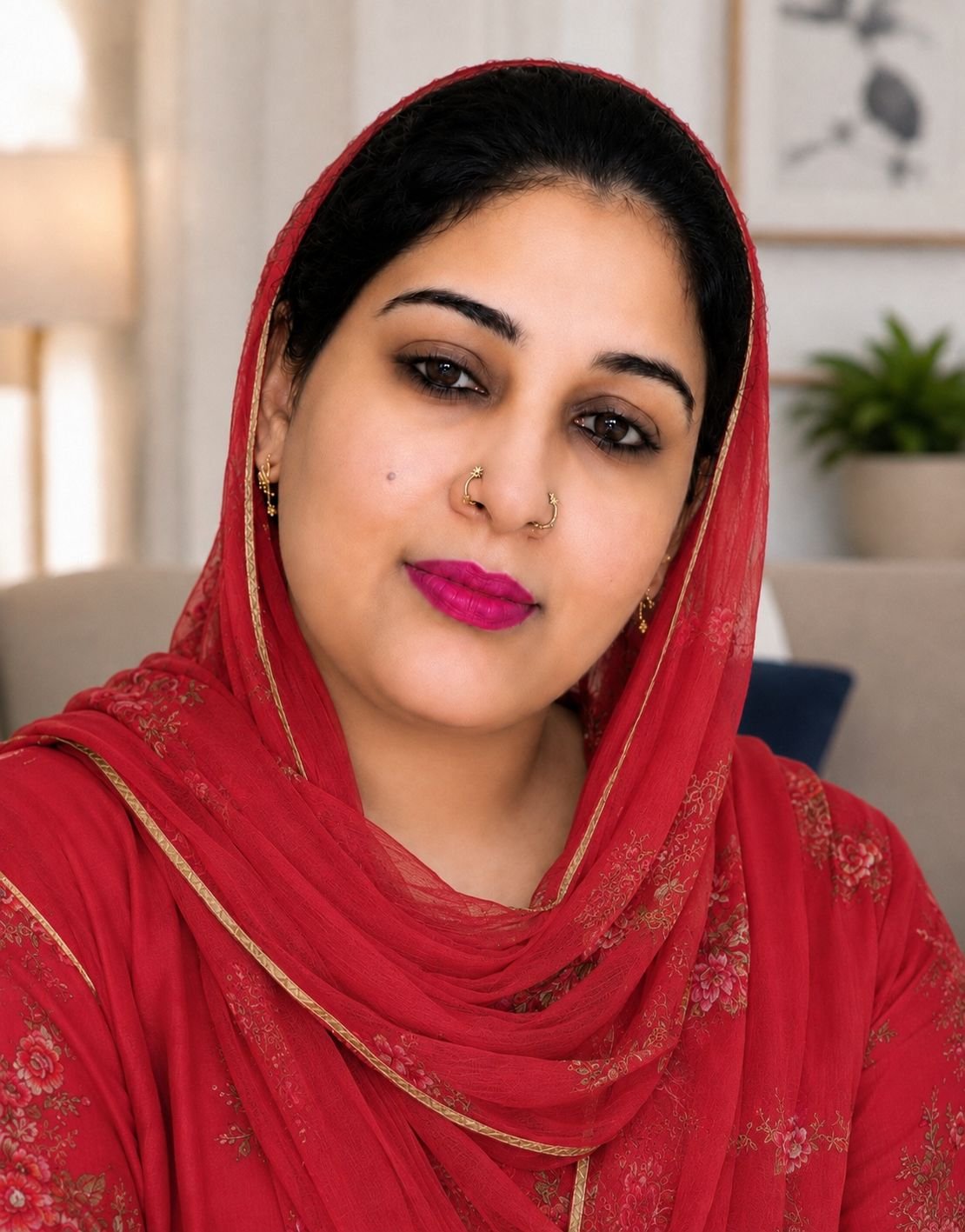
Shazia Bibi, 40, from Muridke, Punjab, Pakistan, represents a general profile of a divorced woman beginning a new chapter of life. Beyond her name, age, marital status, and location, no additional personal circumstances should be assumed.
For women in Muridke and surrounding areas, rebuilding life after divorce can involve practical decisions about personal finance, financial planning, employment, housing, healthcare, insurance, education, and long-term financial security.
At age 40, there can still be many opportunities to develop professional skills, increase income, establish savings, and create realistic long-term goals.
Understanding Life After Divorce
Divorce can change household responsibilities and financial arrangements. Someone who previously shared expenses with a spouse may need to develop a clearer understanding of personal income, monthly expenses, savings, and future financial requirements.
The first stage can be about creating stability.
A basic plan may include:
- Reviewing monthly household expenses
- Creating a realistic budget
- Organizing important documents
- Building emergency savings
- Reviewing debts and financial obligations
- Exploring employment opportunities
- Developing new professional skills
- Considering long-term financial goals
Every person’s circumstances are different, so financial decisions should be based on actual income, expenses, responsibilities, and available resources.
Financial Planning After Divorce
Personal financial planning can help create a clearer picture of current financial circumstances.
A monthly budget can begin by listing essential expenses such as:
- Housing
- Food and groceries
- Electricity and utilities
- Transportation
- Healthcare
- Education
- Phone and internet
- Debt payments
- Personal expenses
Once these costs are known, income and savings can be reviewed.
The objective is not simply to reduce spending. It is also to understand where income can potentially be increased and how savings can be developed over time.
Building an Emergency Fund
An emergency fund can provide financial protection against unexpected expenses.
Emergencies may include medical treatment, vehicle repairs, household repairs, temporary loss of income, or urgent family expenses.
The amount needed varies depending on income, expenses, dependents, and job stability.
Emergency savings should generally be kept in an appropriate and accessible financial account rather than being placed in investments that may be difficult to access when money is urgently needed.
Managing Debt
Debt management can also become an important part of financial planning.
A person should know:
- Total outstanding debt
- Monthly payment
- Interest rate
- Remaining repayment period
- Any penalties or additional fees
Creating a repayment strategy can make monthly finances easier to understand.
People with substantial or complicated debt may wish to seek advice from a qualified financial professional before making major financial decisions.
Career Opportunities for Women in Muridke
Muridke and surrounding areas have connections to commercial activity, agriculture, manufacturing, retail, education, transportation, and services.
Depending on education and experience, women may explore opportunities such as:
- Teaching
- Administration
- Accounting
- Customer service
- Retail
- Healthcare support
- Digital marketing
- Content writing
- Graphic design
- Online tutoring
- E-commerce
- Freelancing
- Small business
The most suitable career path depends on qualifications, previous experience, available time, transportation, and income requirements.
Developing New Skills
At 40, learning new skills can still create opportunities.
Professional development does not necessarily require returning to a traditional college or university. Online education, vocational training, professional certifications, and practical courses can all be considered.
Potential skills include:
Digital marketing, computer skills, accounting, English communication, graphic design, video editing, website management, e-commerce, social media management, and online teaching.
Before paying for a course, it is sensible to compare the curriculum, instructor experience, total cost, certification, reviews, and potential employment value.
Online Work and Freelancing
Remote work and freelancing can provide additional income possibilities for people with appropriate skills.
Common freelance services include:
- Content writing
- Graphic design
- Video editing
- Virtual assistance
- Data-related services
- Website management
- Digital marketing
- Social media management
- Online tutoring
However, online employment scams are common.
People should be cautious about opportunities that promise guaranteed income, request large upfront payments, ask for banking credentials, or pressure applicants to recruit other people.
A legitimate opportunity should be researched before money or sensitive information is provided.
Starting a Small Business
Entrepreneurship may be another option for someone seeking greater financial independence.
Depending on skills and local demand, a small business could involve:
- Home-based food services
- Clothing
- Online retail
- Beauty services
- Tutoring
- Handmade products
- Digital services
- Reselling
- Catering
- Professional services
A simple business plan can help determine whether an idea is financially realistic.
Before investing money, consider:
- Startup costs
- Monthly expenses
- Target customers
- Product or service pricing
- Competition
- Marketing costs
- Expected sales
- Break-even point
- Cash-flow requirements
Business income is not guaranteed, so savings should not be committed without understanding the potential risks.
Housing and Cost of Living
Housing can represent one of the largest monthly expenses.
For someone living in Muridke, housing decisions may involve comparing rent, property costs, transportation, utilities, maintenance, security, and access to workplaces or family.
When renting, it can be useful to calculate the total monthly housing cost rather than considering rent alone.
Before signing a rental agreement, review:
- Monthly rent
- Security deposit
- Maintenance charges
- Utility responsibilities
- Lease duration
- Notice requirements
- Repair responsibilities
- Additional charges
Keeping copies of agreements and payment records can also be useful for financial organization.
Healthcare and Insurance Planning
Healthcare expenses can create unexpected financial pressure.
Understanding available health insurance options and maintaining emergency savings can be part of a broader financial protection strategy.
Insurance products vary significantly, so consumers should carefully review:
- Premiums
- Coverage limits
- Deductibles
- Exclusions
- Waiting periods
- Claim procedures
- Renewal conditions
A low-cost policy may not provide the coverage a particular person needs.
Insurance should therefore be evaluated based on actual benefits and exclusions rather than price alone.
Retirement Planning at 40
Although retirement may appear distant at age 40, retirement planning can be an important long-term financial consideration.
Planning can involve reviewing:
- Current savings
- Expected retirement age
- Future living costs
- Healthcare expenses
- Potential income sources
- Inflation
- Housing requirements
- Investment risk
There is no universal retirement strategy.
Investment decisions should be based on individual financial circumstances and risk tolerance. Anyone considering investments should understand that returns are not guaranteed and that investments can lose value.
Legal and Financial Documents
After divorce, it can be important to keep personal and financial documentation organized.
Depending on individual circumstances, documents may include:
- Identification documents
- Marriage records
- Divorce documentation
- Property records
- Bank statements
- Insurance policies
- Loan documents
- Tax records
- Employment records
- Legal agreements
Property, custody, inheritance, and financial disputes can involve complex legal issues. When necessary, a qualified lawyer should be consulted for advice based on the specific circumstances and current Pakistani law.
Protecting Financial Information
Financial security also involves protecting personal information.
People should never casually share:
- Bank passwords
- ATM PINs
- Credit card details
- One-time verification codes
- Online banking credentials
- Government identification information
- Private financial documents
Scammers may attempt to obtain this information through phone calls, social media, messaging applications, fake employment offers, or fraudulent investment opportunities.
Using strong passwords and multi-factor authentication can provide additional protection for online accounts.
Social Life After Divorce
Divorce can also bring changes to social relationships.
Family members, friends, and community members may have different opinions about divorce and future relationships.
A person can decide which relationships are supportive and establish appropriate personal boundaries.
Rebuilding life does not have to follow a particular timeline.
Some people focus on career development. Others prioritize family, education, business, travel, personal development, or financial stability.
There is no universal path after divorce.
Considering Future Relationships
Some divorced people eventually consider remarriage, while others choose to remain single.
This is a personal decision.
For someone considering a future relationship, useful conversations can include:
- Financial expectations
- Employment
- Housing
- Family responsibilities
- Children
- Savings
- Debt
- Long-term goals
- Personal boundaries
Financial compatibility can be especially important when two people are considering marriage.
Discussing major financial responsibilities before marriage can help both individuals understand expectations.
Building Financial Independence
Financial independence generally develops gradually.
For a divorced woman, a practical financial strategy might involve several stages.
Stage One: Understand Current Finances
Calculate monthly income, expenses, debt, and available savings.
Stage Two: Build Emergency Savings
Create a financial buffer for unexpected expenses.
Stage Three: Increase Income
Consider employment, professional training, freelancing, or entrepreneurship.
Stage Four: Protect Finances
Review insurance, important documents, account security, and legal records.
Stage Five: Plan for the Future
Consider retirement planning and other long-term financial goals.
The right approach depends on individual circumstances.
Education and Personal Development
Education can remain valuable at every stage of adulthood.
A 40-year-old woman may choose to learn a new skill, improve existing professional abilities, or start an entirely different career direction.
Digital skills can be particularly useful because they can support both employment and entrepreneurship.
Possible areas include:
- Computer applications
- Digital marketing
- E-commerce
- Accounting
- Graphic design
- Content creation
- Online teaching
- Communication skills
- Website management
Before spending money on education, compare different providers and evaluate whether the course provides practical skills that match current market opportunities.
Avoiding Financial Scams
Financial scams can affect people searching for jobs, investments, relationships, or business opportunities.
Warning signs can include:
- Guaranteed investment returns
- Pressure to transfer money quickly
- Requests for passwords
- Requests for verification codes
- Large upfront employment fees
- Fake investment platforms
- Unverified online businesses
- Promises of unrealistic income
Anyone considering a financial product or business opportunity should independently verify the company and understand the terms before transferring money.
Creating a Long-Term Plan
A long-term financial plan does not need to be complicated.
A simple framework can include:
Monthly: Track income and expenses.
Every few months: Review savings and debt.
Annually: Review insurance, financial goals, and important documents.
Long term: Work toward emergency savings, retirement preparation, increased income, and appropriate financial protection.
Regular reviews can help identify changing financial needs.
Frequently Asked Questions
What should a divorced woman do financially after divorce?
A useful starting point is to calculate monthly expenses, understand income, review debt, organize documents, establish emergency savings, and explore opportunities to increase income.
What are career options for women in Muridke?
Depending on education and experience, possible areas include teaching, administration, accounting, retail, healthcare, digital marketing, online tutoring, freelancing, e-commerce, and small business.
Is 40 too late to start a new career?
No. Adults can develop new skills and change careers at many stages of life. The appropriate path depends on qualifications, financial needs, experience, and available opportunities.
How can someone start a small business?
Start by identifying a product or service, researching customers and competitors, calculating startup costs, determining pricing, and creating a basic business plan before investing significant money.
Why is emergency savings important?
Emergency savings can help cover unexpected expenses without requiring a person to immediately borrow money or sell long-term assets.
What should someone know before buying insurance?
Review premiums, coverage limits, exclusions, deductibles, waiting periods, claims procedures, and renewal conditions before purchasing a policy.
Final Thoughts
Shazia Bibi, 40, from Muridke, Punjab, Pakistan, represents a general profile of a divorced woman entering or continuing a new stage of life.
Only the provided details—her name, age, marital status, and location—should be treated as known information. Personal experiences, family circumstances, financial position, employment, or future plans should not be invented.
For women in similar circumstances, useful areas of focus can include financial planning, personal finance, career development, insurance, retirement planning, healthcare, housing, online safety, and entrepreneurship.
A new chapter can be approached through practical steps: understand current finances, build savings, develop useful skills, protect important documents, explore legitimate income opportunities, and make major decisions based on reliable information.
Financial independence is usually built over time. Consistent planning, careful research, and realistic financial goals can help create a stronger foundation for the future.
